Throughout history, many pilgrims have set out on the road to holy places, hoping to renew their faith. On 25 October 2025, 47 people from our parish set off on a pilgrimage to Rochester to deepen their faith and strengthen their bonds with our community. There was also much to learn about Rochester Cathedral, where our patron, St John Fisher, was the last Catholic bishop before he was sent to the Tower of London on the orders of Henry VIII.
Their expectations of the pilgrimage varied:
“I hope to learn more about our patron saint, but also about Rochester and its history, which is not well known. I expect it to be a spiritual experience and one that gives us a deeper understanding of belonging to the same parish community.” Neville
“It’s an opportunity for our parish community to pray together and experience Rochester together. I am looking forward to the tour of the Cathedral and around the old city.”
Marianne
“I hope it to be an opportunity to gather together and become closer as a parish as a result of this joint spiritual experience. For me, it will be an opportunity for quiet reflection and prayer. I’m looking forward to getting to know Rochester, its historical monuments and places associated with Dickens.” Deirdre
“I’m looking forward to sharing this religious experience with my parish community. To get to know better the people whose faces I recognise from Sunday masses. I also hope to learn more about our patron saint, St John Fisher.” Bernard
‘I expect to learn a lot more about St John Fisher and to visit that ancient cathedral, the second oldest cathedral in Britain. It will be an opportunity to spend this special day with everyone else from our parish.” Elspeth
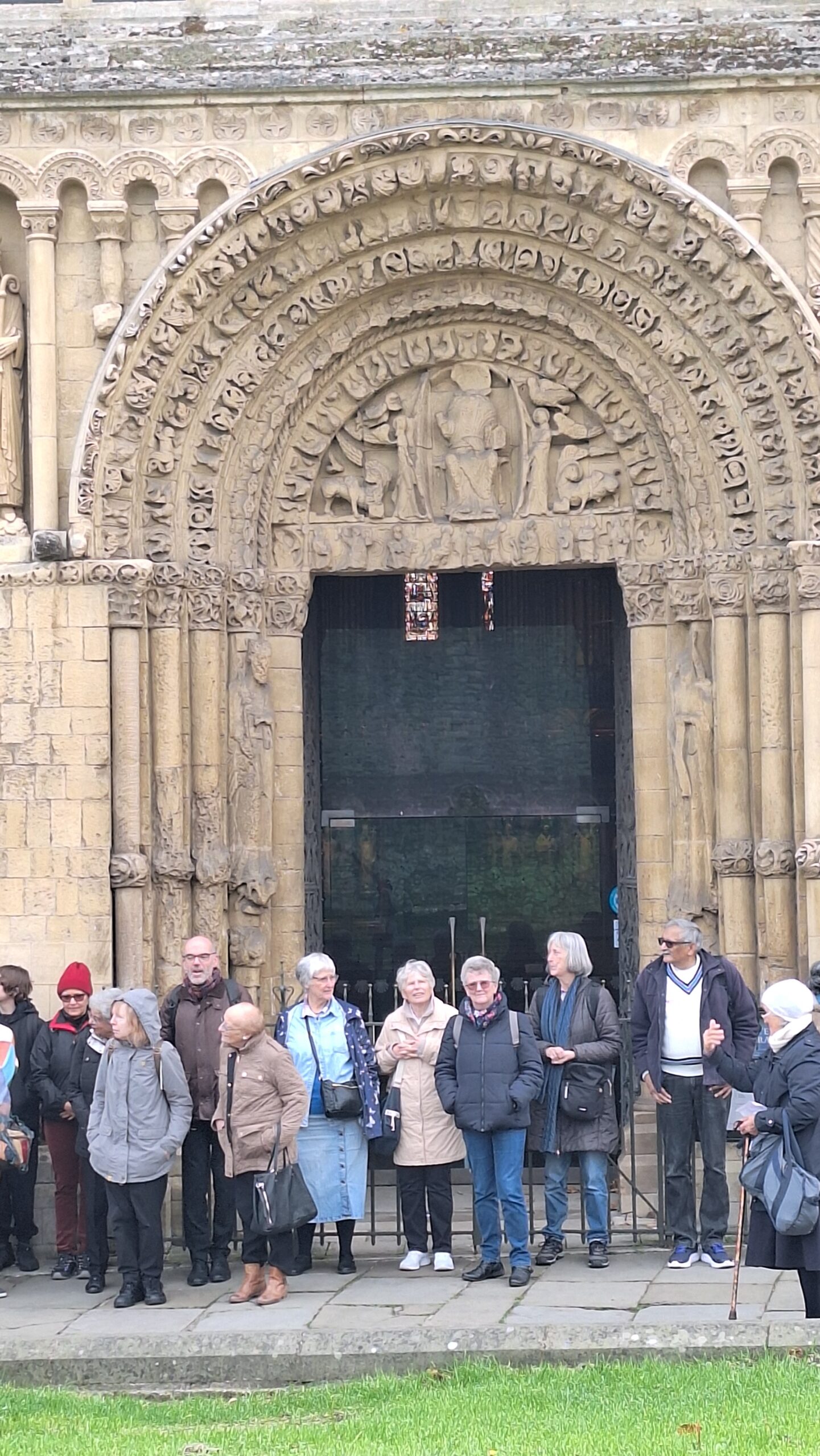
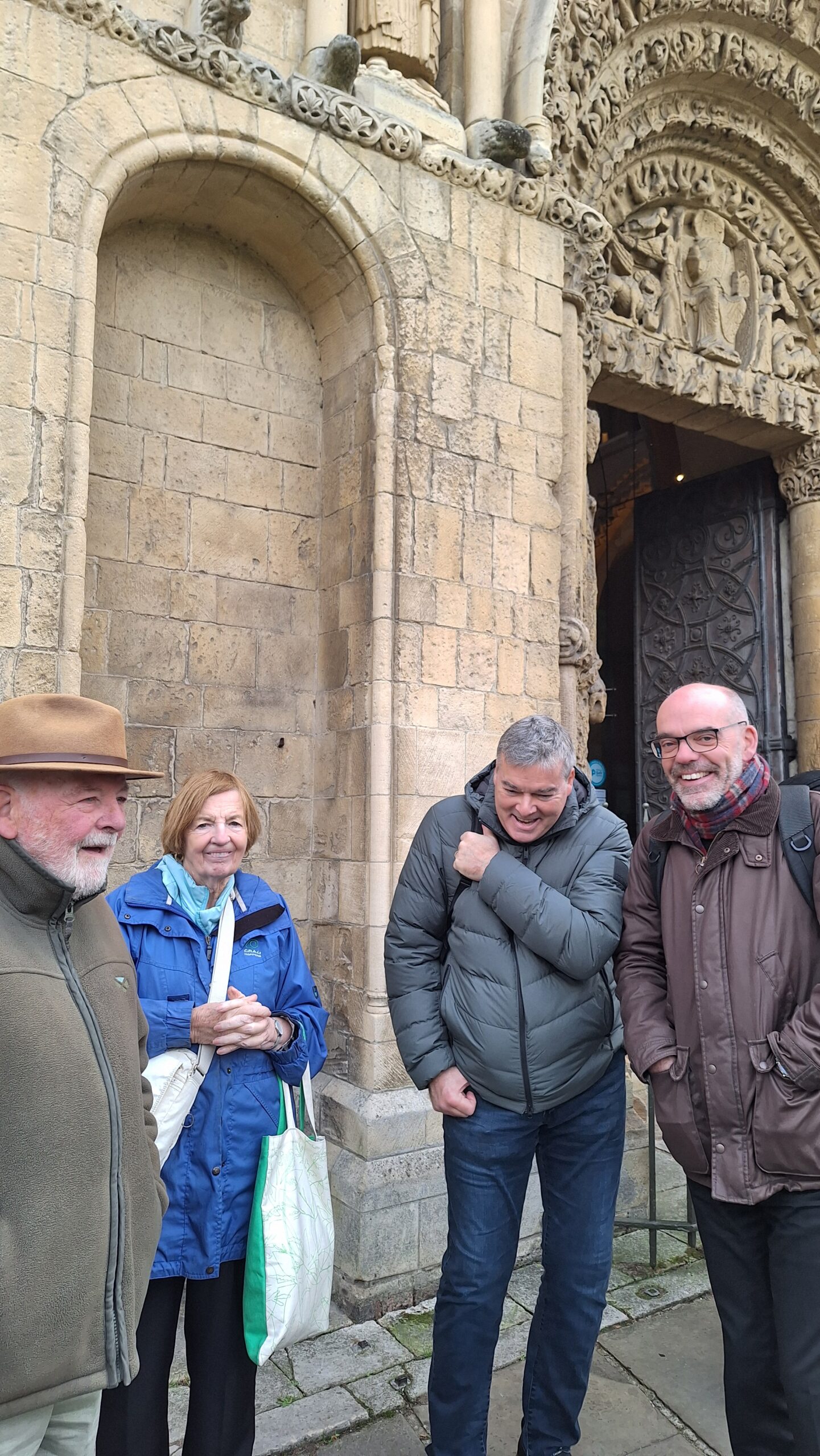
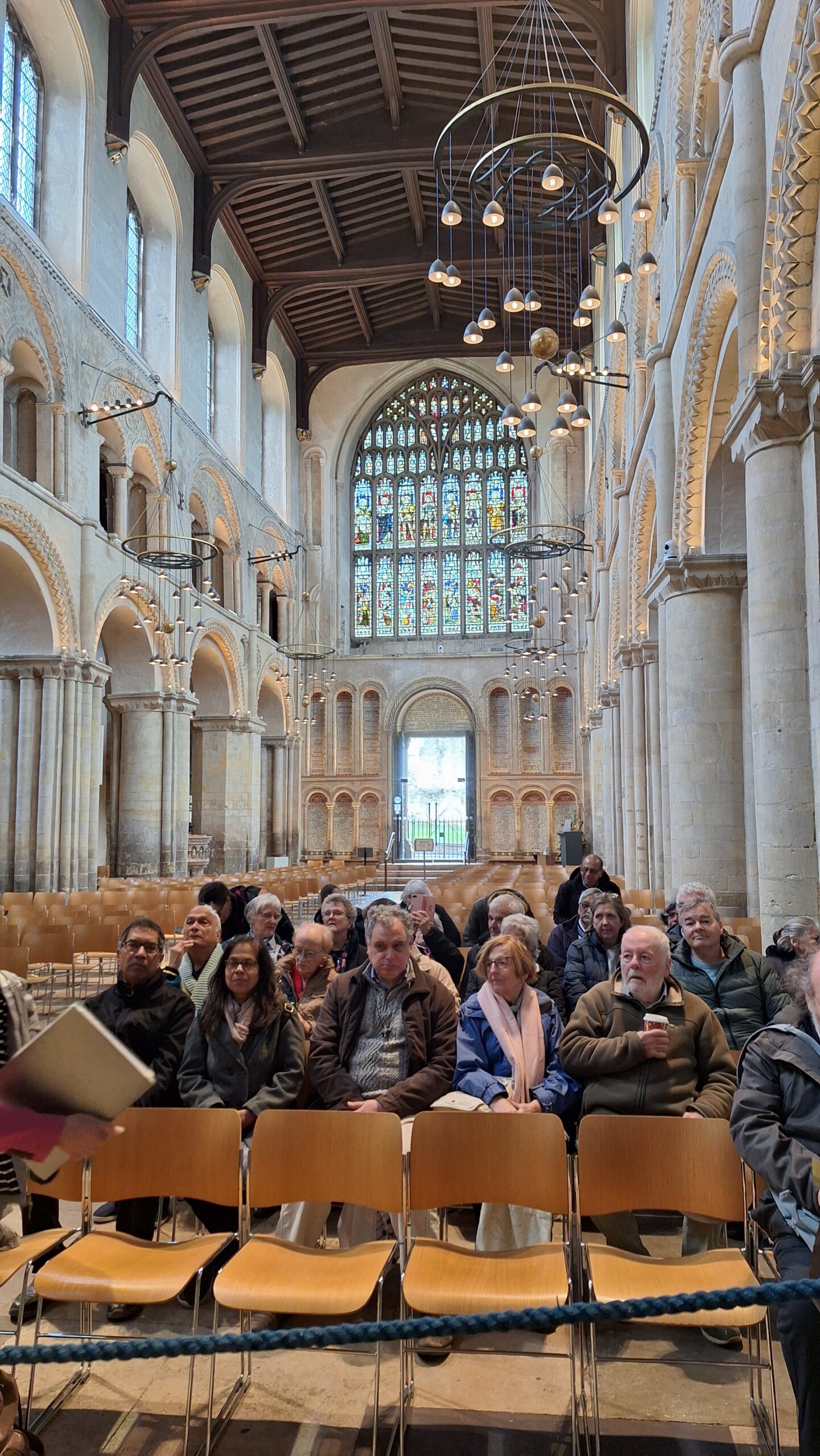
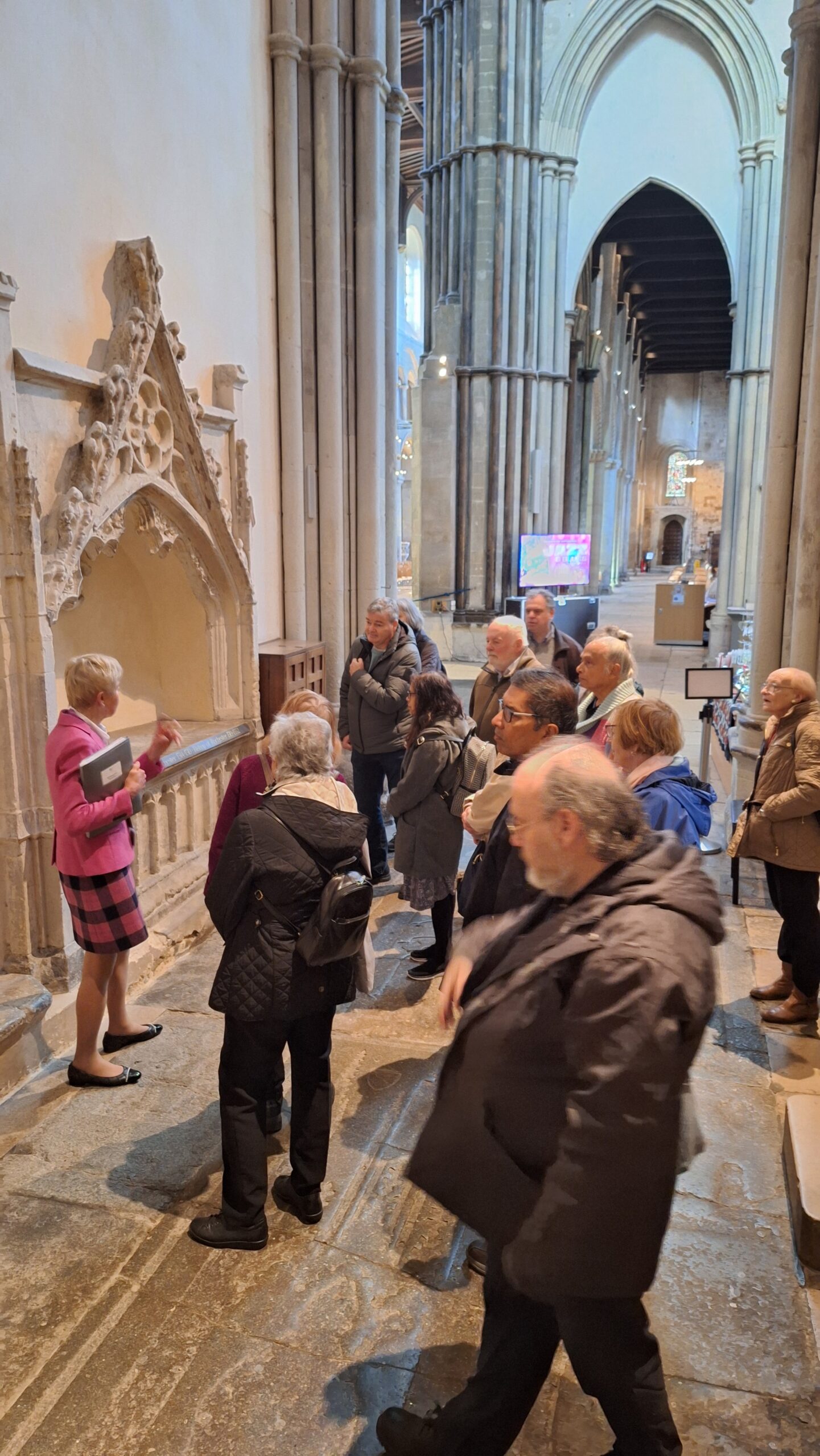
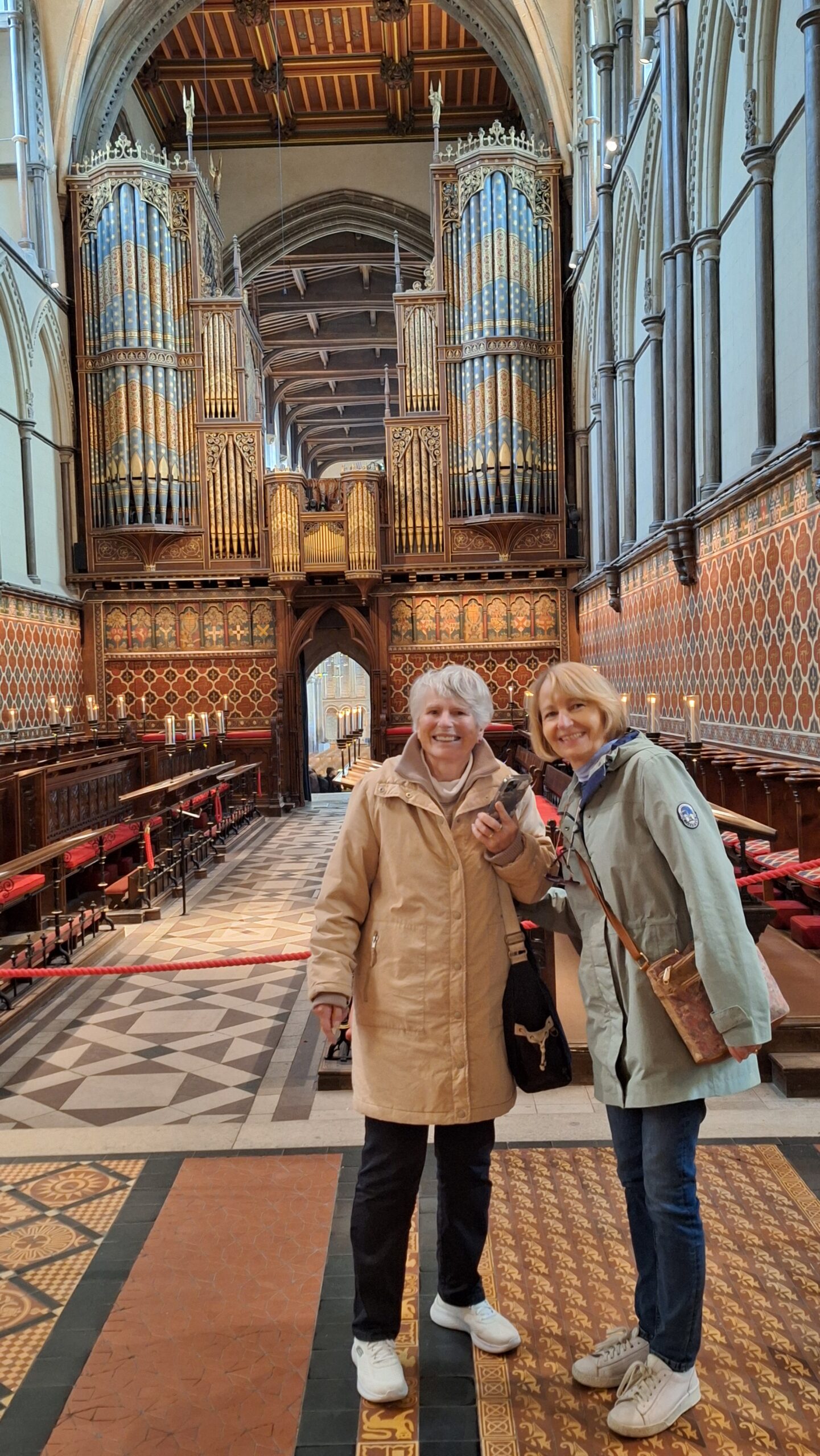


Our visit to Rochester began with a tour of the magnificent Rochester Cathedral, which is only seven years ‘younger’ than Canterbury Cathedral. It was founded by King Ethelberht of Kent in 604 who granted land to St. Justus to build a cathedral and monastery dedicated to St. Andrew.
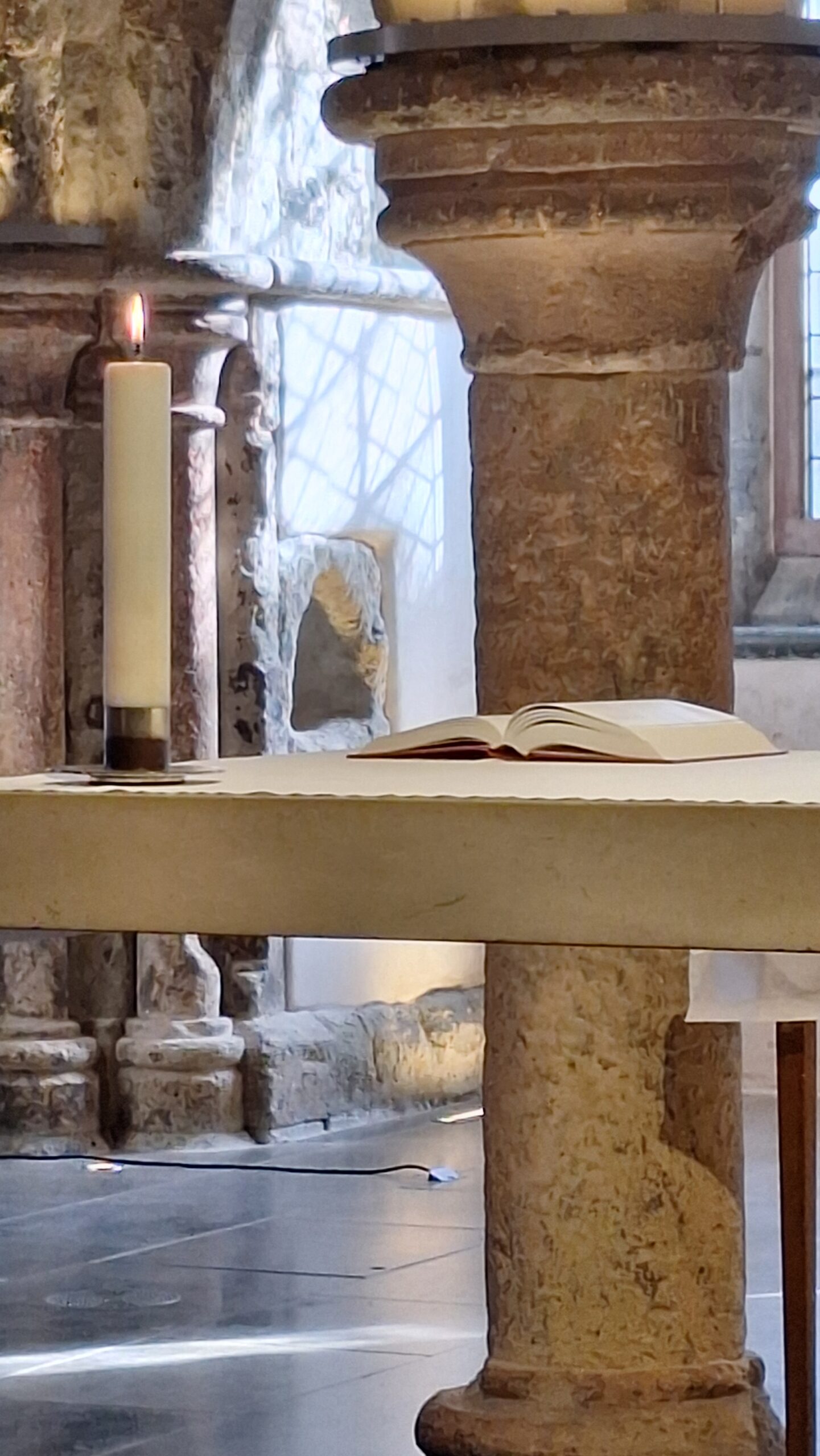
The early church was a small stone structure serving both as a place of worship and a monastic community. Rochester became one of the first bishoprics in Anglo-Saxon England. The original building suffered damage from Viking raids in the 9th century, as did much of Kent. After the Norman Conquest (1066), Gundulf, a Norman monk appointed Bishop of Rochester in 1077, rebuilt the cathedral in the Romanesque style. Gundulf was a skilled architect – he also designed parts of the Tower of London and Rochester Castle. The crypt in which we had the privilege to celebrate our Mass and much of the nave from this period survive today.
The west front was completed around 1201, featuring beautifully carved figures that remain among the cathedral’s highlights. Throughout the Middle Ages, Rochester was a centre of pilgrimage, especially for those venerating St. William of Perth, a Scottish pilgrim murdered near Rochester around 1201, whose tomb became famous for miracles. During the Dissolution of the Monasteries under Henry VIII (1539), the Benedictine monastic community was disbanded.
The cathedral survived as the seat of a Church of England bishop, but many treasures and documents were lost. The building fell into disrepair during the 17th century, especially during the English Civil War. Major restorations took place in the 19th century, led by Sir George Gilbert Scott, who repaired and refitted the choir and nave. Further conservation work continued through the 20th and 21st centuries. Today, Rochester Cathedral remains an active place of worship, hosting regular services, concerts, and exhibitions.
Three local guides gave us a detailed introduction to the historical attractions of the Cathedral, among which was the fresco unveiled in 2004, to commemorate the 1400th anniversary of the Cathedral. Painted by Russian iconographer Sergei Fyodorov, it presents Jesus’s baptism by John the Baptist, and the baptism of King Ethelberth and the people of Saxon Kent, initiating the Christian history of this region.
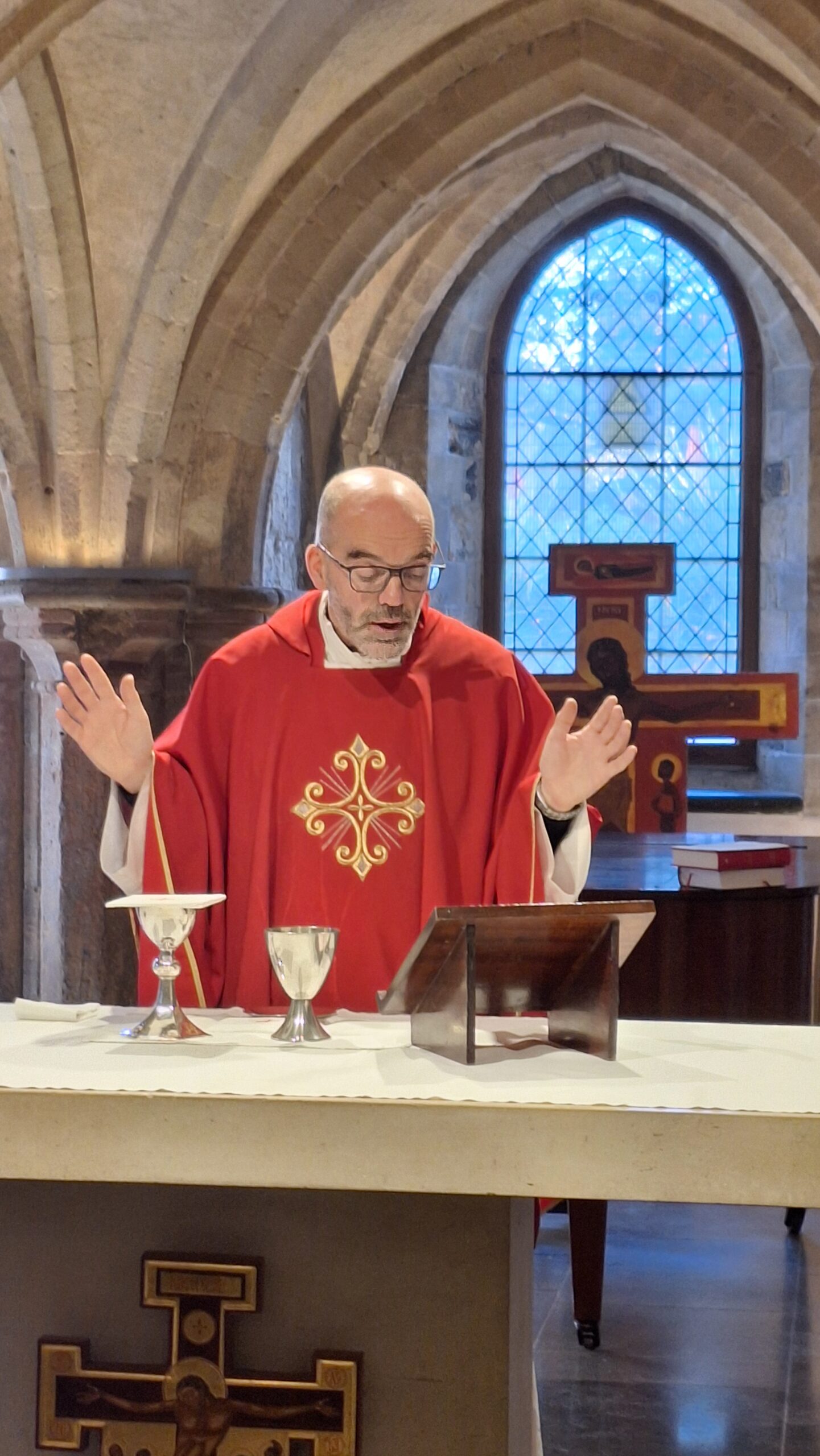
Our Mass in the medieval crypt was a very special experience, not only because it required permission from the Dean of Rochester, since the Cathedral is now a Church of England Cathedral.
In the ethereal light and tranquillity of the crypt, we came to celebrate our spiritual journey rooted in faith, as Father Graham said in his homily. “Introducing the jubilee year, Pope Francis reminded us that setting out on a journey is traditionally associated with a human quest for meaning in life. That meaning is given its real identity through hope that nothing will ever separate us from God’s love. We hope to deepen our faith through prayer, reflection and seeing Christ in others.”
The second journey we reflected upon was the martyrdom of St John Fisher, who was led from Rochester to the Tower of London, then to the scaffold. “Pope Francis declared martyrdom the most convincing testimony of hope, renouncing life itself, rather than betraying the Lord. That was the journey that St. John Fisher made on 22 June 1535 from his cell in the Tower of London, where he was held for over a year, for refusing to sign the Act of Supremacy, recognising Henry VIII as the head of the Church. This was the same king who was declared the Defender of the Church by the Pope. St John Fisher’s journey began earlier when he defended Catherine of Aragon before the King.
“On Thursday, we saw a different journey of the King and Queen to the Vatican, who went to pray with the Holy Father. They are the descendants of the opposing authorities, yet two days ago, they stood together in prayer. The King of England hadn’t prayed together with a pope since the Reformation. This is a source of hope. Each of these three journeys is built on hope. Our hope is united in faith in Christ that nothing can separate us. St John Fisher’s journey was rooted in hope of the promise made by Christ. The King’s journey is intended to share the fraternity of care for creating a desire for peace.’
Was the pilgrimage a memorable experience for the pilgrims of our parish?
“It was very informative and moving. We experienced and saw much more than I expected. The history of the Cathedral is truly amazing.” Jeanette
“It was wonderful to have some time to talk to fellow parishioners, particularly on spiritual matters. Father Graham’s homily during the Mass was powerful and very relevant, particularly reflecting that we could celebrate Mass there in the week that an English monarch prayed with the Holy Father in Rome. We should do more such pilgrimages. Hopefully, in the future, we will go to Jerusalem.” Stuart